
Coping with Sensory Overload
For mothers who identify as highly sensitive, deeply feeling or neurodivergent

Hello lovely people,
I was really struck by your responses to a recent Instagram Story I shared about my son, who I’d describe as highly sensitive and often finds school to be ‘enough’. He’s not keen on after-school clubs - even Cubs, his only regular activity - despite how great the sessions are (from campfire cooking to baking to knot-tying!).
With the busyness of school - the learning, the play, the playground dynamics - he often prefers to wind down at home. He’s into Lego, reading, gaming, cricket… so it’s not about lack of interest, but a deep need for downtime. I try to name this for him, to help him feel understood - and as a fellow highly sensitive person, I truly get it.
From your replies, many of you do too.
So in this newsletter, I wanted to share some thoughts on coping with sensory overload as a mum - especially for those of you identifying as highly sensitive, deeply feeling or neurodivergent.

As parents it’s easy to feel overstimulated. Throughout the day we're juggling constant sensory demands. Feeding a baby. A toddler climbing on us. Children leaping from sofas. Then there’s the relentless noise – from gleeful shouts to inconsolable crying to that low-level whinging that quietly wears you down.
When you combine sensory overload with exhaustion, physical depletion and a felt lack of control over this all this input, it’s no wonder we feel overwhelmed.
Some common sensory demands in early motherhood:
· Your baby tapping you repeatedly to get your attention. Even light touch can activate your tactile system and feel like a threat.
· Sounds clashing – the washing machine spinning while your baby cries and your older child shouts – all overloading your auditory system.
· Staying constantly alert to keep your baby safe - keeping your threat system switched on.
· Skipping meals or eating in a rush, which adds to the overwhelm as your body runs on empty.
When all of this builds up, your brain and body likely shifts into threat mode. You shallow breathe. Your heart rate increases. You may notice a headache, clenched jaw or tension across your shoulders and chest. You might find yourself zoning out or unable to focus.
And in these moments, thoughts like these might start getting louder:
“This is too much”
“I can’t cope”
“I’m touched out”
“All I can see is mess”
“I can’t take anyone else touching me – I need space”
Regulating your sensory processing system in the moment is key to finding calm.

Simple ways to support yourself:
💫 Name it. Gently acknowledge how you’re feeling. Try saying: “I’m feeling overloaded right now.”
💫 Soothe with words. Remind yourself: “This will pass and I am safe.”
💫 Breathe. A long, slow out-breath helps calm your nervous system. Try placing your hands on your lower ribs and apply gentle pressure. Let your hands guide your breathing. This also provides calming input to your body.
💫 Ground yourself. Bring your attention to your feet. Notice the soles pressing into the floor. This simple act can help you feel steadier.
💫 Use scent. Add a drop or two of calming essential oil to a tissue or cotton pad and breathe it in. Lavender, patchouli or rose geranium can help bring a sense of balance.

💫 When you feel touched out:
- Ask your partner for a firm, steady hug (deep pressure feels calming)
- Lean your back against a wall
- Lie under a weighted blanket
💫 When sound gets too much:
- Turn off background noise like the dishwasher or TV
- Use earplugs or noise-cancelling headphones
Podcast pick
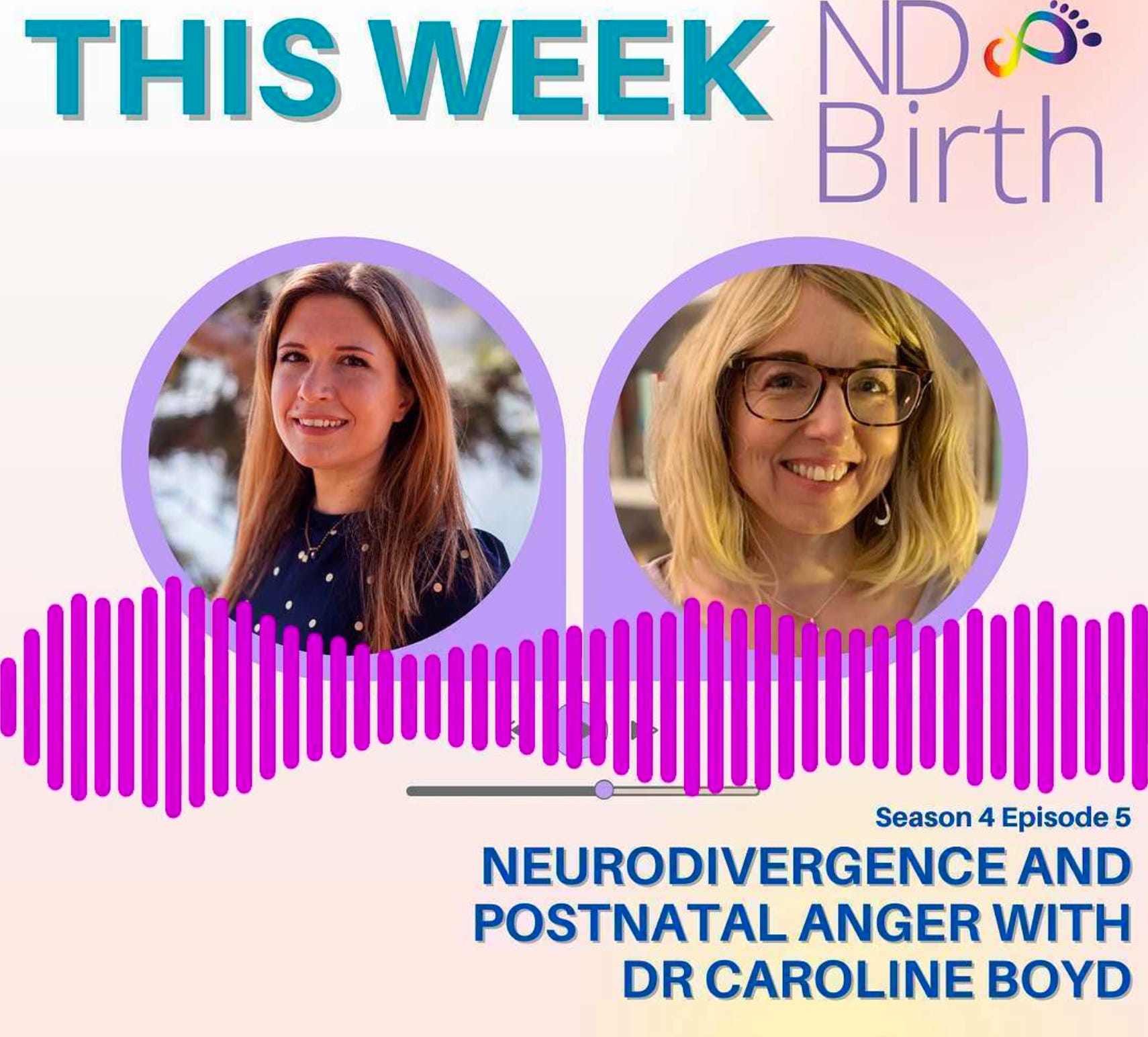
Anger is such a common, human response to overwhelm - including sensory overload. I loved chatting with Victoria on her pod, ND birth, about coping with anger as a mum who identifies as neurodivergent.
Sustain yourself this Summer
For a deeper dive into anger, I teach proven, practical tools and practices to help you move from chaos to calm. My self-paced course is specific to anger but I cover MUCH more - supporting you to increase self-awareness and reparent yourself, so you can tap into the kind of mother you want to be, away from perfectionism and control.
I’ve adapted my self-paced course from my live 6-week anger course tailored for mums experiencing anger in a range of contexts - including those diagnosed with ADHD or who identify as neurodivergent or highly sensitive, and those who have experienced trauma.
The course emphasis is on expanding your toolkit for taking care of your nervous system - while being supported to understand your triggers and increase self-awareness and self-compassion. This will be extremely helpful for anyone struggling with emotional regulation, and anyone who finds themselves regularly overwhelmed and overstimulated by the intense demands of parenting.
My self-paced course allows even further accommodation for different ways of processing information. You can take breaks when and how you need to, and find a pace to work through it that best works for you.
Dr Boyd Loves…
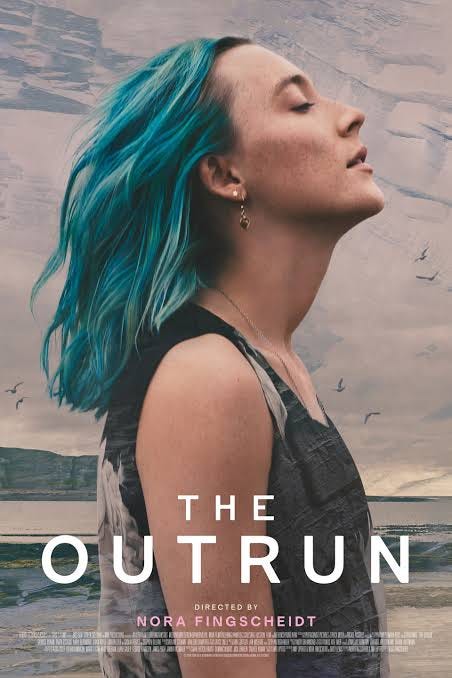
Saoirse Ronan gives a powerful and moving performance in this beautiful, lyrical film. Ronan plays Rona, a woman confronting the troubles of her past and striving for sobriety as she leaves the hedonism of London to return home to the rugged beauty of the Orkney Islands. I felt the weight of Rona’s aching loneliness as she embarks on her healing journey - particularly in her strained, uneasy relationships with her mother, now devoted to Christianity, and her father, living with mental health difficulties and a diagnosis of bipolar disorder.
Adapted from Amy Liptrot's memoir, The Outrun has moments of raw, startling beauty - especially when Rona begins to reconnect with the wild part of herself, without alcohol. The scenes of her swimming alone in the frigid sea, and dancing to pulsing electronic music after a solitary Christmas lunch in her wind-battered cottage, will stay with me.

BBC iPlayer’s Mr Loverman - adapted from Bernardine Evaristo’s novel - has been called “magnificent TV that will tear your heart open.” I can affirm this, having just finished this beautifully shot, brilliantly acted, and deeply moving drama about a charming 75-year-old man living a good life - built on a lie.
Barry (played by the phenomenal Lennie James) is married, but has spent decades as the secret lover of his boyhood soulmate, Morris (Ariyon Bakare). The series takes us back to their first meeting, tracing the dangers of being openly gay as a young man in Antigua - and later, as a successful businessman in South London.
We witness the emotional fallout of Barry’s secret: on his embittered wife Carmel (a powerfully played by Sharon D Clarke), his long-suffering lover, and his two daughters. Both funny and heart-breaking, this is television at its finest - with well-deserved BAFTAs going to James (Best Leading Actor) and Bakare (Best Supporting Actor).
With love,
Caroline x
It’s noises for me, I can’t cope with the tv on, iPad on, washing machine on, chewing sounds, sniffing, the cat yowling. I have to go into the bedroom and calm down. I was on the train this weekend and there was a woman playing really loud videos in Spanish and a man with a gravelly voice sat behind me just talking with his friend but the two combined set me on edge. I had to cover my ears and pretend I was giving myself a massage or something 😆🤦🏻♀️
Thank you for this!! It's great to feel seen :). Breakfast is always the hardest part of the day for me. Going from dead quiet to clashing pans + screaming, laughing and singing children is overwhelming!