
Making space when it all feels too much
When the load feels heavy - at home, in your head, or in your heart - this simple practice can help you pause, breathe, and soften.


Hi lovely people,
It’s half term here - which I know doesn’t mean much to some of you, but for others who are working, it can feel even more of a juggle. I came across this image - a striking sculpture of a woman buckling under the weight of household objects, holding the hands of her children.
It turns out the image was AI-generated, not a real sculpture at all - and yet, like all good metaphors, it still validates. Because even if she doesn’t exist in bronze or stone, every mother I know and work with recognises that weight: the washing, the caring, the remembering, the carrying. And for many, it’s not only the daily weight of motherhood, but also the weight of a partner, past trauma, birth injury, and attachment wounds from childhood.
The challenges of juggling the domestic load with emotional labour - and for many, paid work too - often on top of broken sleep, can leave us teetering on the edge of overwhelm. When you’re stretched thin, even something small can tip you over. In those moments, rather than pushing through or judging yourself for not coping “better,” it can really help to pause and make a little space to soothe your nervous system.
So this week I’m sharing a simple practice from my book, Mindful New Mum, called SPACE - a way to bring gentle, compassionate awareness to those tough moments through soothing breath, softening posture, and kind self-talk.

The SPACE Practice
1. Soothing Rhythm Breathing
Focus on deepening your breath, inhaling for three counts and exhaling smoothly for three counts. On each out breath, notice a sense of slowing down.
2. Posture
Embody the dignified, open presence of your compassionate self. Sit with your back straight, dropping your shoulders and opening your chest. Relax your face and neck.
3. Acknowledging
Place your hand on your heart, asking yourself tenderly: “How am I feeling right now?” Acknowledge any feelings of anxiety, anger or sadness with kindness.
4. Compassion
Compassion means making space for all the different parts of you. Tune into and acknowledge any fears, sensations and critical thoughts.
5. Empathy
Learning to shine a light on your thoughts and feelings in stressful moments allows you to take an Observer position. Imagine yourself as a caring pilot hovering over these difficult inner experiences. This creates space for you to step back and respond wisely and kindly.
6. Name your feelings
Tell yourself gently:
“I’m having a stress reaction. I’m feeling _________ (insert emotions), and I’m safe.”
Next, allow your compassionate self to soothe you. Practice saying these statements out loud in a gentle voice:
“These feelings will pass.”
“I’m a good enough mum. I can cope.”
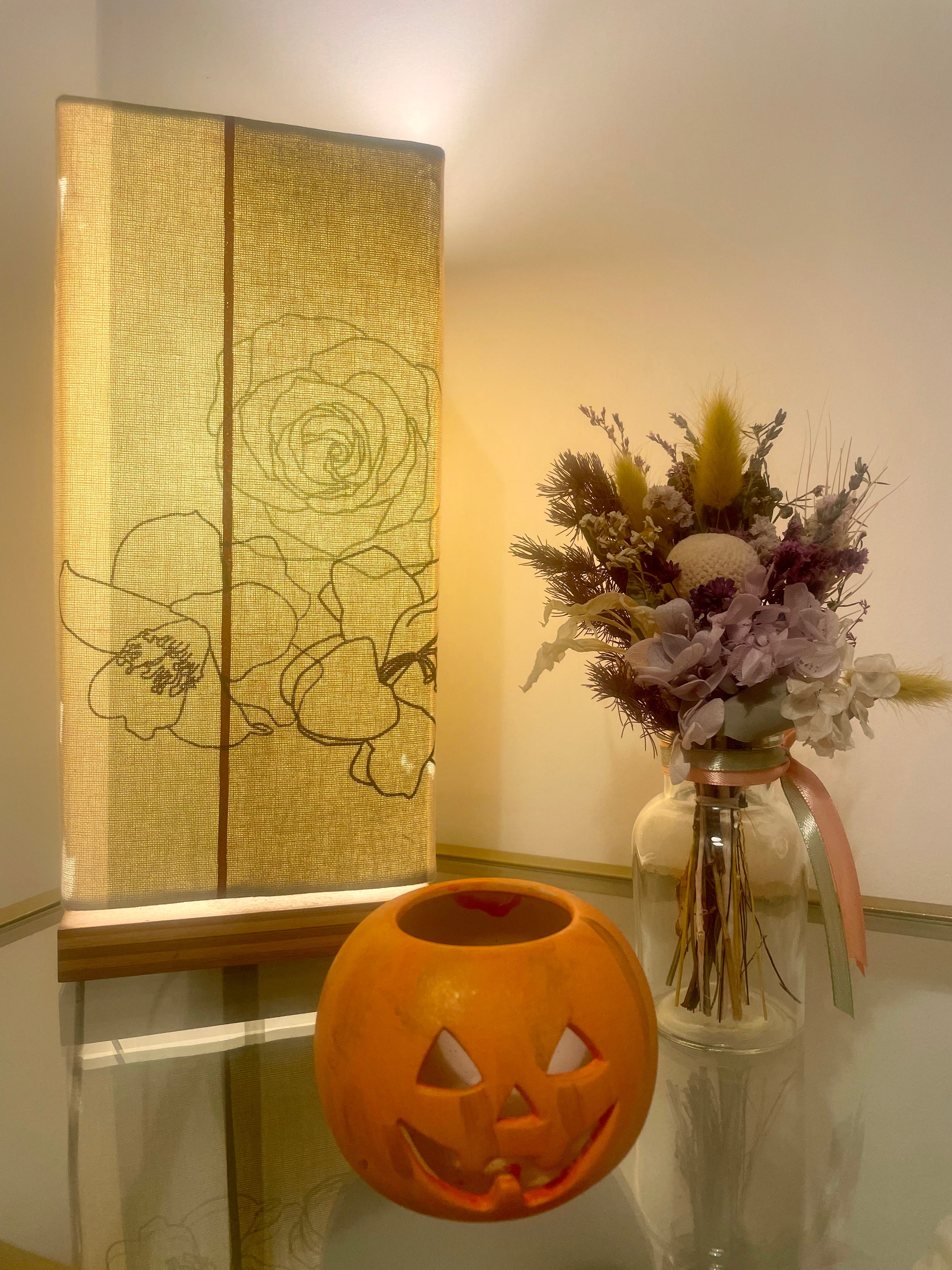
As Halloween approaches, here’s to soothing the real spooks of motherhood - the invisible load, the self-doubt, the feeling of never enough-ness.
With love,
Caroline x
How can I support you?
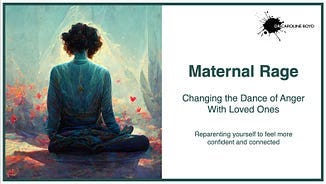
I offer a self-paced course for mums who want to understand their anger, find compassion, feel empowered, and reconnect with those they love.
You’ll attend a Live Q&A with me midway through, watch live examples of rage with my co-therapist to map out exactly what happens in hot moments, and learn practical, proven ways to create a pause.
For an overview of my work, including accessing 1:1 therapy or ordering my book, click here.
Including attachment history alongside the day to day load feels important. Overwhelm rarely comes from the present moment alone, and practices that slow the body can create just enough space for deeper material to surface safely.
Regarding the topic of the article, I found it really smart how you included attachment wounds from childhood as part of invisible burden; I'm curious if your SPACE practis offers specific tools to address that deeper layer of stress alongside the immediate overwhelm.