
Real life is radical
Maternal voices rising together - not just online, but alive in the room.

“Shame dies when stories are told in safe spaces.” - Ann Voskamp
In the last week, I’ve found myself in a series of real rooms (IRL!) where I felt this truth deeply.
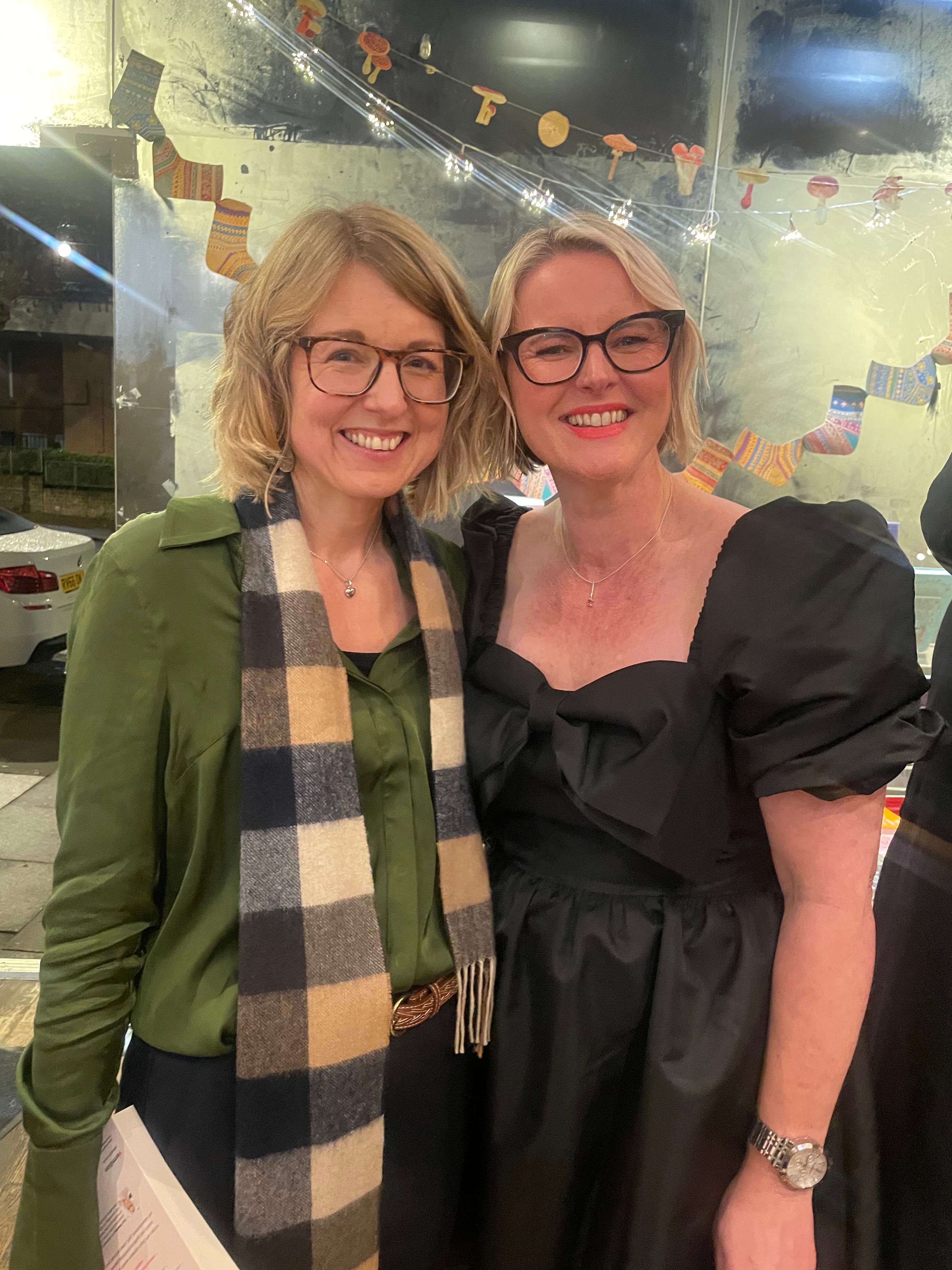
This included sharing honest reflections and psychology ideas about maternal rage on two podcast recordings, celebrating Suzy Reading’s brilliant new book How to Be Selfish at her North London launch, and then standing before ten portraits at the incredible This Is Also Motherhood exhibition. Different settings, different mediums - yet the same electric thread ran through them all: women gathering to speak the unspeakable, to show up for one another, and to make space for the parts of motherhood that are too often hidden.
Trigger warning. Some of the stories featured in the exhibition, which I attended in my Ambassador role for perinatal mental health charity, PANDAS-UK, may be difficult to read. I’ve only included one story in full as an image; if any of them bring up difficult memories or feelings for you, please talk to an empathic loved one. You can seek support via PANDAS’ bookable call service or a trusted health professional such as your GP; I’ve also included other sources of support at the end of my newsletter.
Last month, I stepped into a room where shame didn’t stand a chance.
What I felt most wasn’t heaviness. It was joy and connection. A fierce, energising joy that comes from being together in person - witnessing and sharing vulnerability, naming complexity, laughing, crying, and feeling our strength as a collective. This is why I believe sharing the harder parts of motherhood is essential: because it helps us to process, to make sense and, over time and with support, to heal.
This Is Also Motherhood - a deeply powerful exhibition created by the Maternal Mental Health Alliance (MMHA) and photographer Carolyn Mendelsohn - walked us through stories that are too often hidden, misunderstood, or softened for public consumption. Ten mothers, ten portraits, ten radically honest and unique accounts of what crossing the threshold of motherhood can look like.
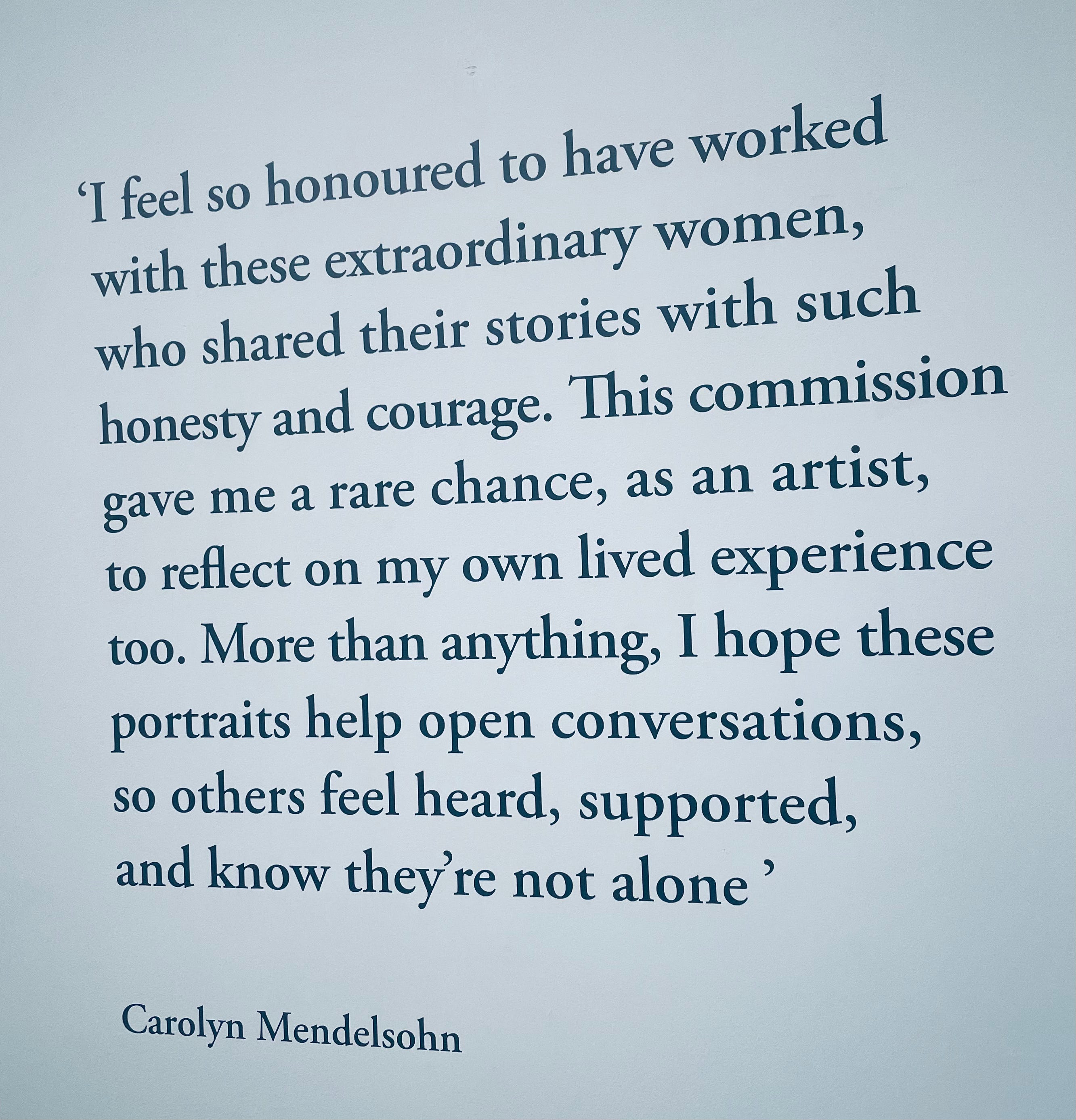
These were not easy stories. They were truthful ones. And in that truth, there was connection, power, solidarity - the kind that only happens when we stand face-to-face, sharing the real, not the filtered. What I loved most was how the exhibition captured not only each mother’s vulnerability, but also their strength and growth.
Geeta - her story of birth trauma
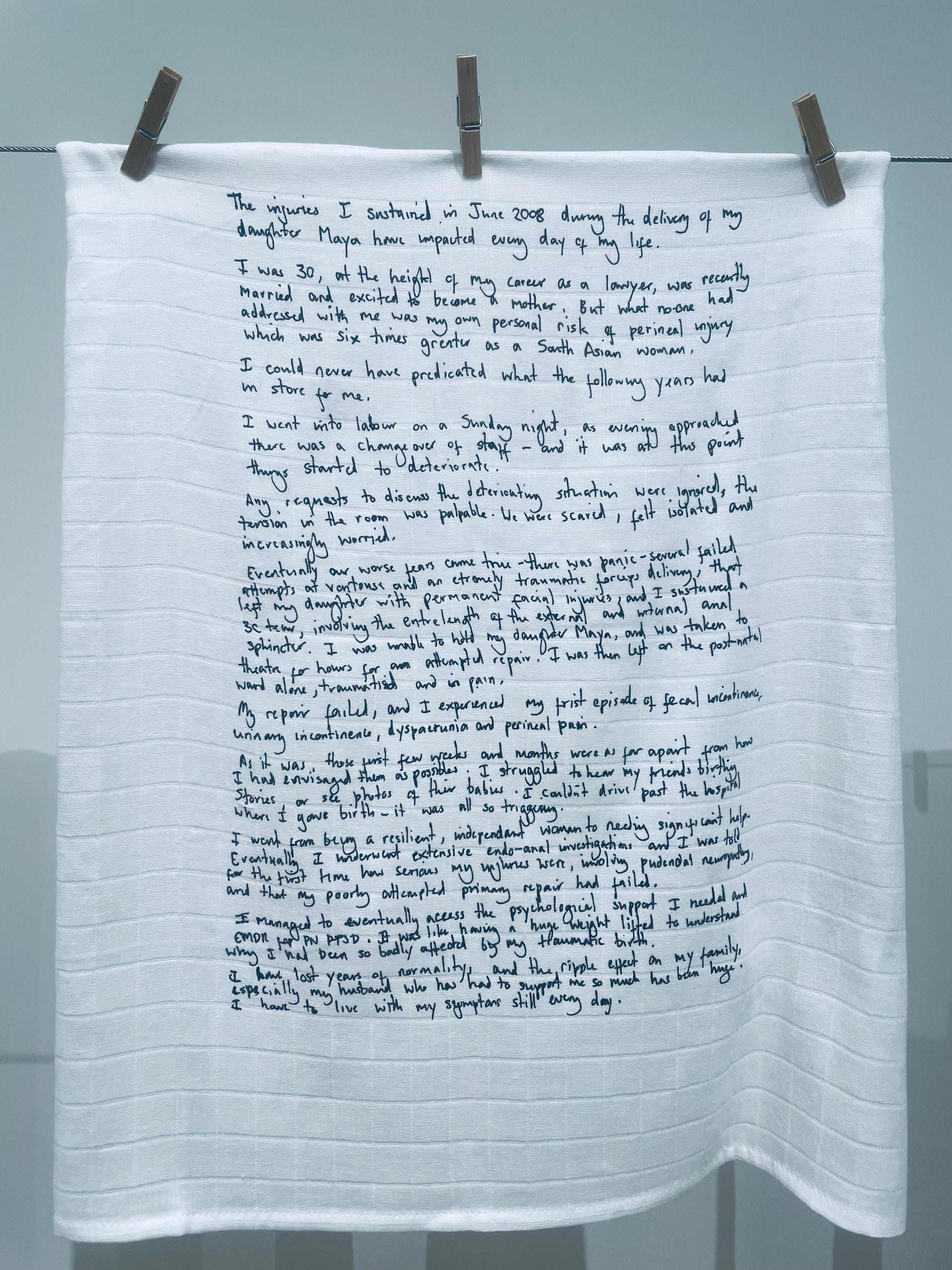
One of the stories that moved me to tears was Geeta’s: a traumatic birth that left her injured, isolated, and understandably struggling with her mental health. Her words were handwritten on a square of muslin, pegged to a line alongside the other nine mothers’ stories - raw, domestic, and charged with life.
“I managed to eventually access the psychological support I needed and EMDR for postnatal PTSD. It was like having a huge weight lifted to understand why I had been so badly affected by my traumatic birth.” — Geeta
I read Geeta’s story, both as a mother and a psychologist trained in Internal Family Systems (IFS)-informed EMDR. EMDR is a trauma-focused therapy approach that helps people process painful memories, with deep respect for our younger protective parts. I found it extremely moving to read how Geeta was ignored in labour, and the fear and loneliness she felt during a traumatic birth that left her and her daughter with serious injuries. To then read how she finally accessed the psychological support she needed - the relief she felt, the understanding, and the lifting of the burden she’d been carrying - felt like witnessing healing in real time.
Catherine - her story of postpartum psychosis
On another square of muslin I read Catherine’s words:
“I now think of psychosis as a spark. Carrying the light of all things, all the stories of the past - and it took just one spark to set it all aflame.”
Psychosis is so often shrouded in fear and spoken about in whispers. Here, it was described with poetry and meaning-making. A powerful re-storying, a reclaiming.
Natalie - her story of perinatal OCD and intrusive thoughts
Then there was Natalie, describing the relentless checking, unplugging, calculating linked to the perinatal OCD she experienced. A mother trying to keep her baby safe from threats her brain couldn’t stop conjuring.
“I go and check one more time. I unplug all I see, the fridge, the washer, the plugs, hob. All a threat to me, to us. OK now maybe I can sleep. You, me and the OCD.”
Intrusive thoughts are common, often terrifying, and rarely spoken about. When we feel safe enough to say these fears out loud they lose their power. These are unwanted thoughts, vivid visions and urges that need and deserve compassionate understanding. (I share more about scary, intrusive thoughts in motherhood, based on my published research, here)
Tessa - her story of grief after Termination For Medical Reasons (TFMR)
And Tessa - whose words on TFMR were written with love, not regret.
“I carried you out of the hospital in every breath and every tear that fell. I have carried you every day since.”
Motherhood is not one story. It is many. I’ve just shared some of the 10 experiences included in the exhibition - you can read more here.
Witnessing these mothers’ stories together matters
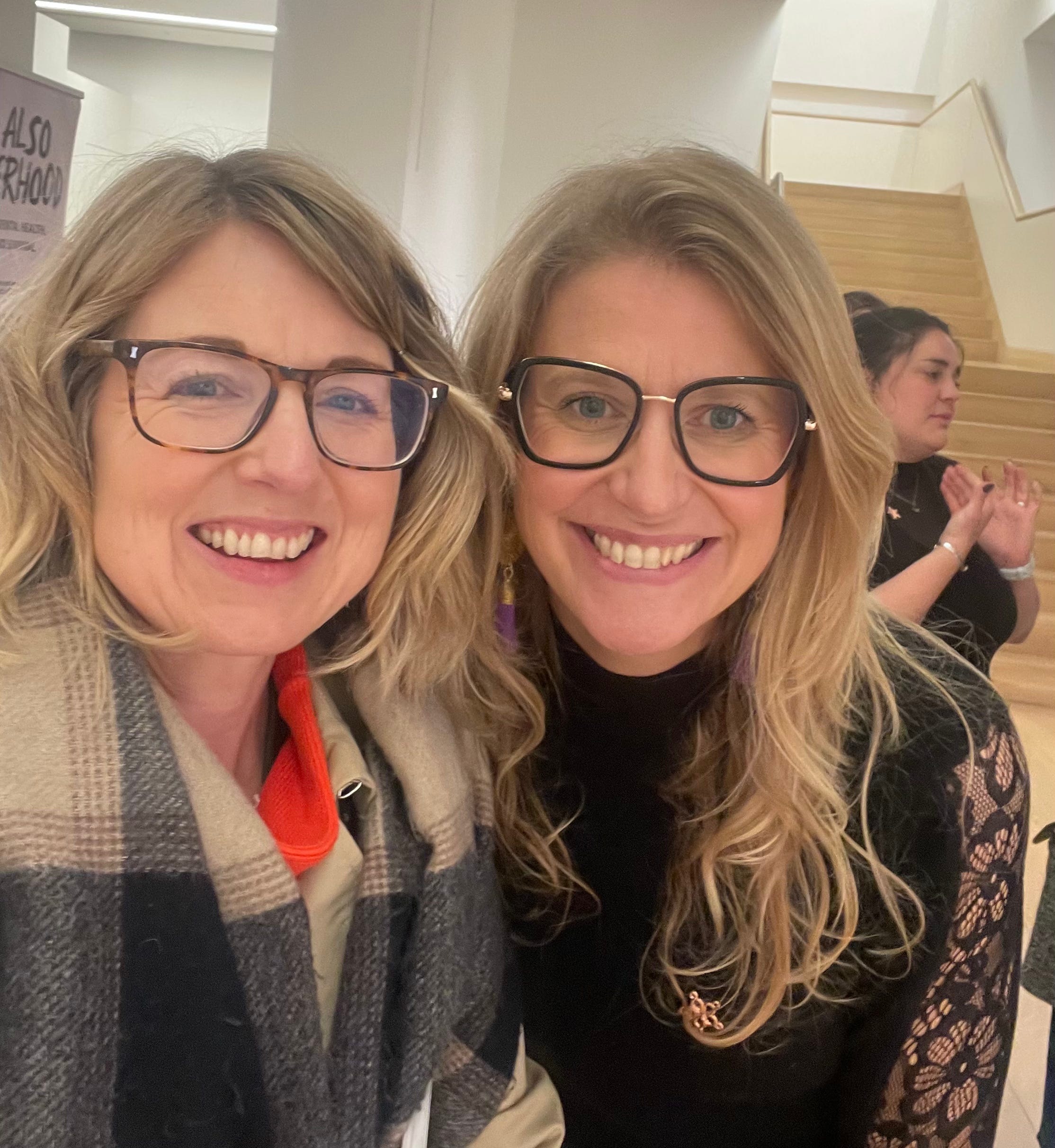
The event could have been online - a gallery link, a digital booklet, a hashtag. But it turns out real life has become kinda radical. In person, we don’t scroll past each other’s pain. We witness it. We breathe the same air. We are changed.
How to be Selfish
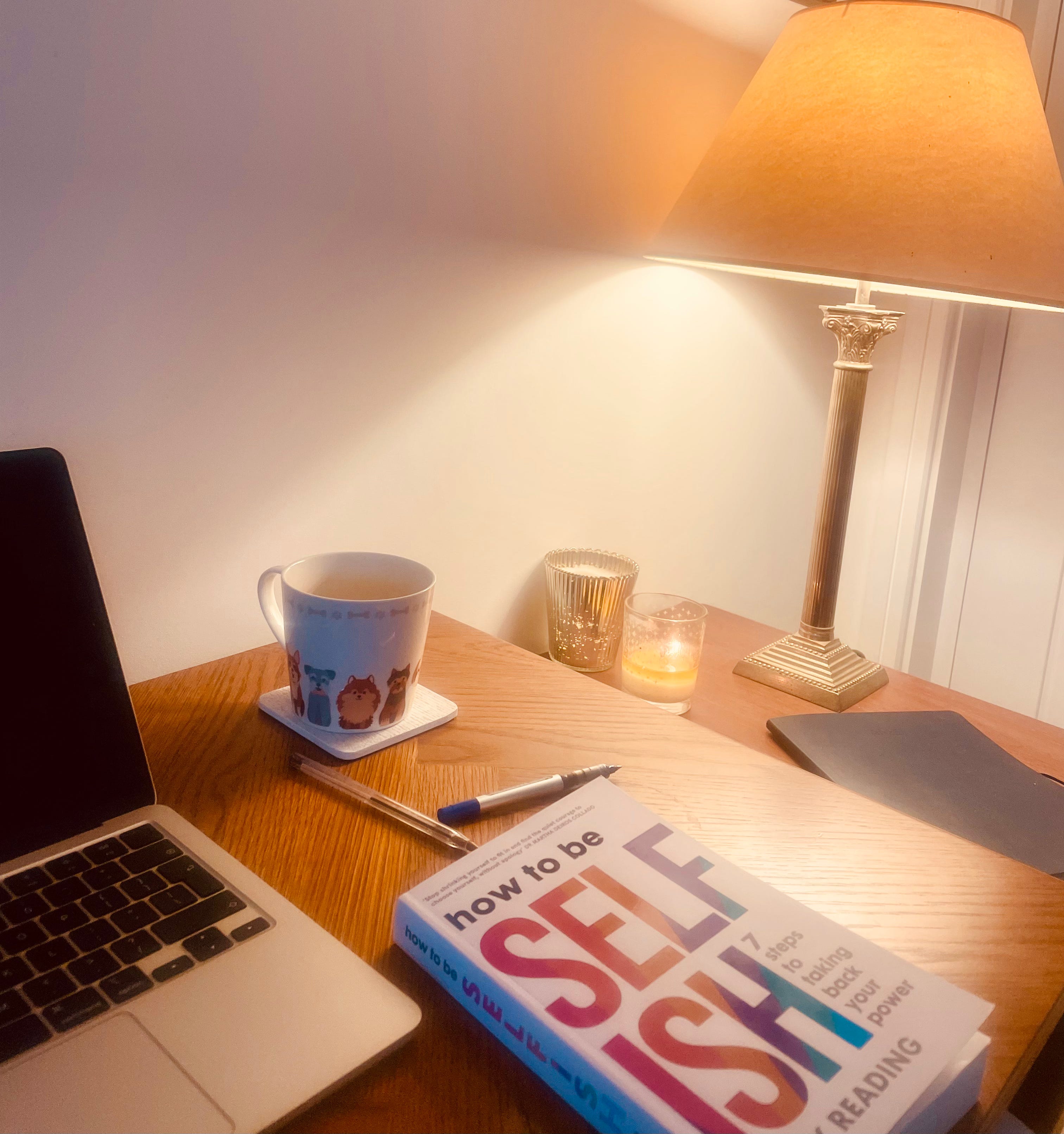
In How to be Selfish, Suzy Reading reclaims a word that’s long been used to shame women into silence and self-sacrifice. With a real compassion and deep wisdom, she invites us to look again - to see that tending to our own needs isn’t selfish at all, but essential. This is a book for every woman who’s ever felt guilty for resting, asking for help, or simply wanting more. Suzy reminds us that coming home to ourselves isn’t an act of defiance - it’s an act of love.
And finally - I mentioned I’ve recorded two rich podcast episodes recently in which we dive deep into the topic of maternal rage. I’ll share the pod links with you as soon as they’re out.
With love,
Caroline x
Some ways I can support you
If you feel in need of a reset over the festive season or in the New Year, my self-paced course can support you to understand your anger and overwhelm, find compassion, feel empowered, and reconnect with those you love.
Attend a Live Q&A with me midway through, and watch live examples of rage with my co-therapist to map out what happens in hot moments - with practical ways to create a pause.

For an overview of my work, including accessing 1:1 therapy or ordering my book, Mindful New Mum, click here.