
Reclaiming My Wild Within
Not a hobby, but a homecoming - how wild swimming helps me find my way back to myself.

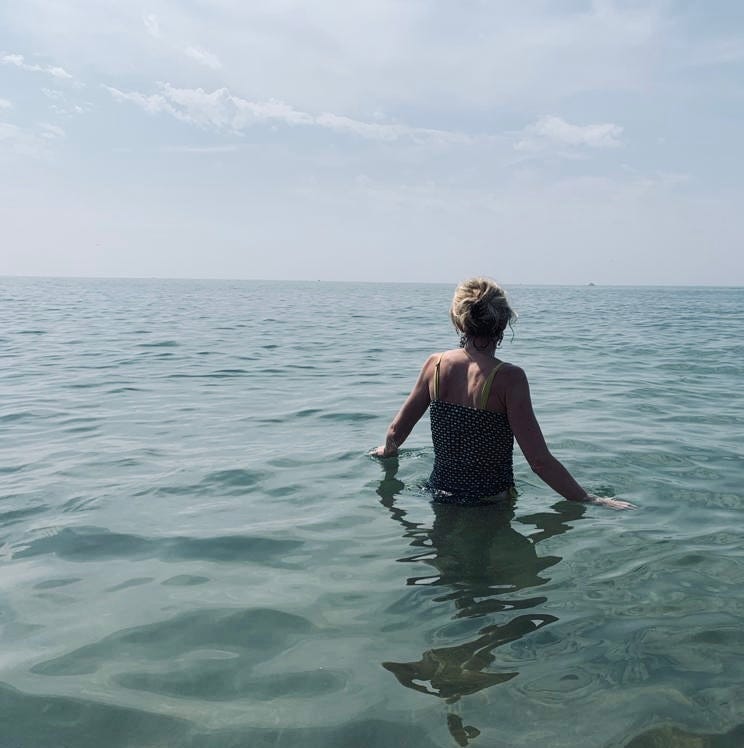
You don’t have to disappear into dense woods to find your wild. Sometimes, you meet her waist-deep in the sea, in the gasp of icy water as it hits your skin, in the fierce aliveness that floods your body. This is where I reclaim her - the wild woman inside me. The instinctive, untamed part of me that knows how to feel, to heal, to be. Not polished or pleasing - just real. Raw. Alive.
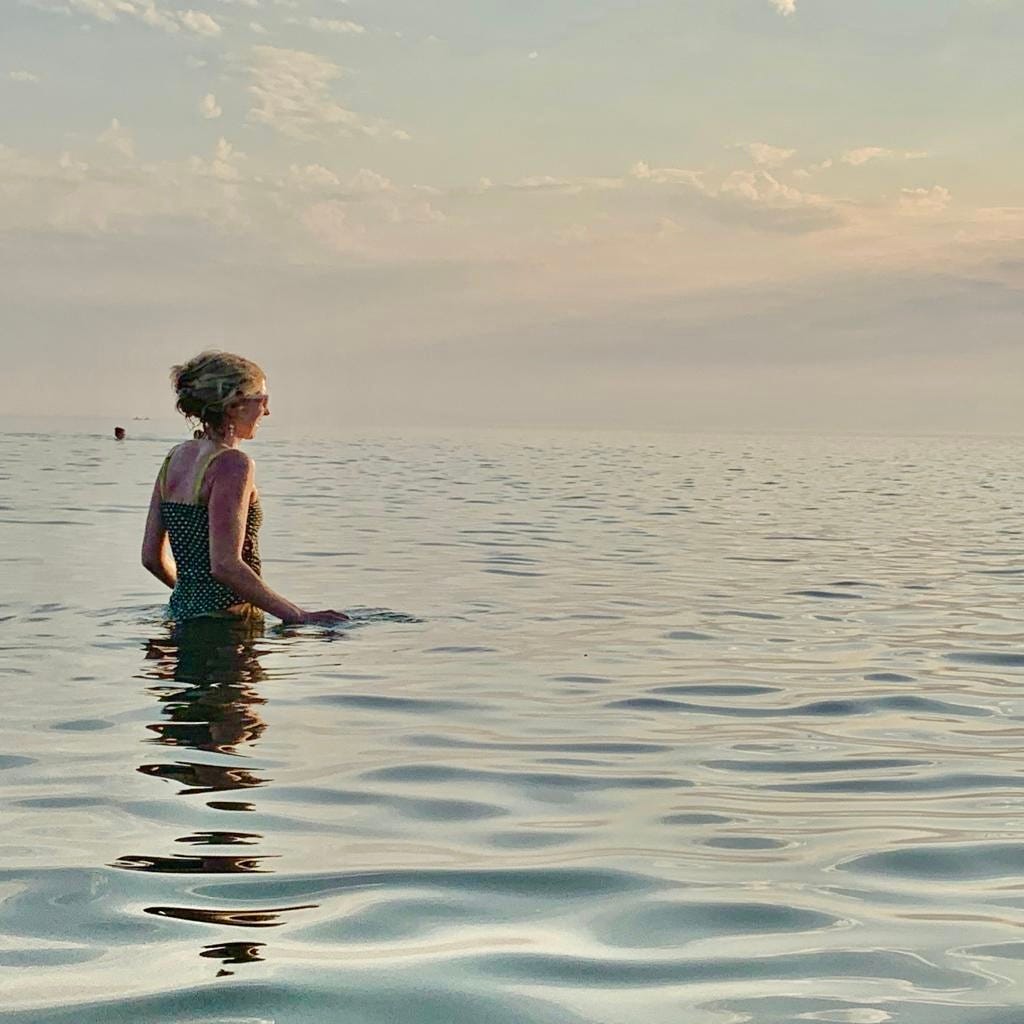
For me, wild swimming isn’t a hobby. It’s a ritual - a reclamation. As I step into cold open water, something ancient stirs (and I’m not talking about my body on those days I feel my age). In that moment I’m not thinking about what I need to do, who I need to be, or how I’m perceived. The cold water demands my full attention. It strips away the noise, those endless expectations, our multiple, often conflicting roles. In these moments, I shake free from the tight script written for the “good” woman - the selfless mother, the ever-giving wife, the smile-through-it-all caregiver. In the water, I don’t have to perform. I just am. And that is enough.
The icy immersion
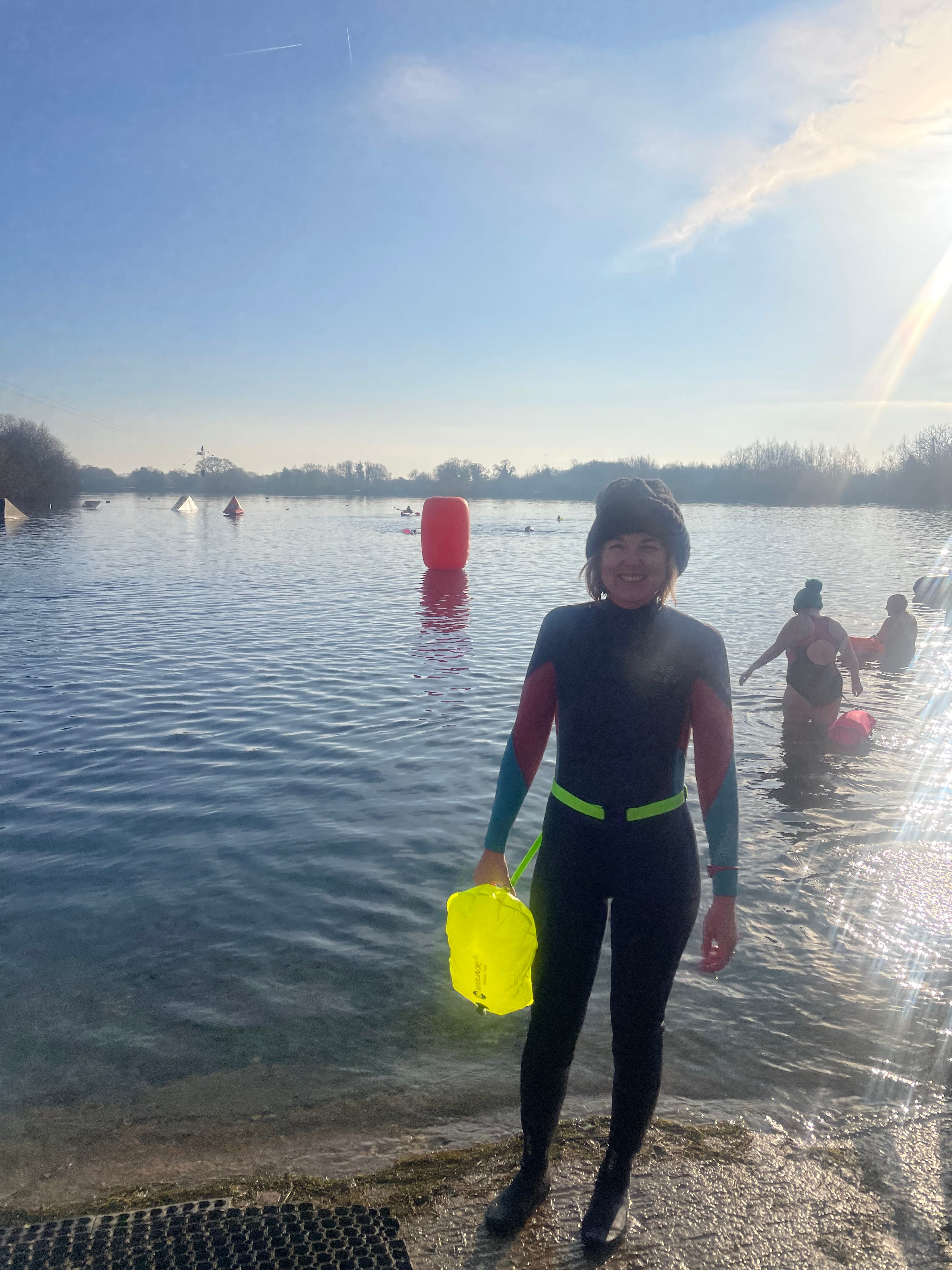
Immersing myself in icy water is like enforced mindfulness – plunging me into the present with a heightened awareness that literally takes my breath away. The vid above captures a New Years Day dip. I feel my body react, my breath quickening, heart thudding, skin singing - every part of me protesting against the cold. All I can focus on is recovering my breath and moving my limbs through the water. Then after a few fast strokes, I find my rhythm - becoming intensely aware of everything around me.
On warmer days, the water shimmers. Ribbons of blue stretch above me in glorious technicolour. Clouds dance across the sky. I inhale the fresh, salty smell and life-giving air. I hear the distant sounds of life ashore, as the noise in my head retreats to some far-off land. My constant mind chatter is reduced to a single word: nirvana.
I smile, feeling the shape of the word in my mouth, remembering how I once danced freely to Nirvana as a teenager, the band’s name tippexed with love onto my scuffed DM boot. With relaxed awareness, I wonder - is this nirvana? As I let my head fall back and feel my body, weightless in the water, I wonder if this is my version of it. My mind feels clear. Everything seems possible. Nothing matters but this moment.
Euphoria - and clarity
This is where I remember the wild woman inside me. The wild feminine who has always lived in my bones, waiting to be remembered. The one Clarissa Pinkola Estés writes about in her book, Women Who Run With the Wolves. Here, in this cold expanse of water, I’m not performing or pleasing. I’m not mothering or multitasking. I am simply being. Wild. Present. Whole. The icy shock washes away the layers of fear, self-doubt and sadness, the shoulds, oughts and musts, until only instinct remains. My breath. My body. My truth.
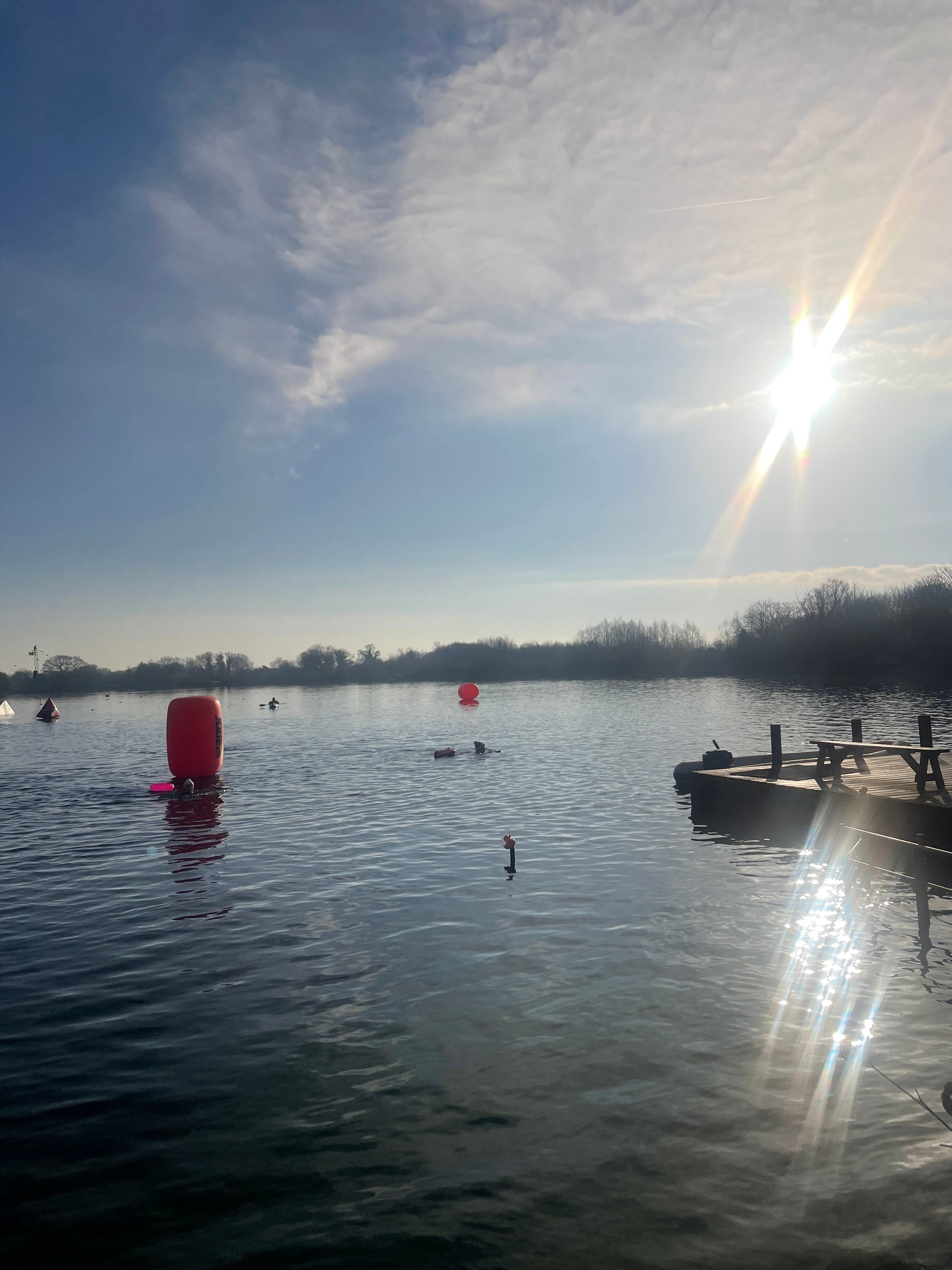
I spend a few more minutes soaking in the stillness, warmed now by the water, drinking in the sun. I see some familiar faces at the jetty and – in this moment – life is simple. Then I swim back towards the steps, already a little regretful to leave this place but soothed by the knowledge that it will always be there. I am returning to another space, where I am a mother, a wife and a woman, living in a modern, complicated world. But something has shifted. I carry the wild with me.
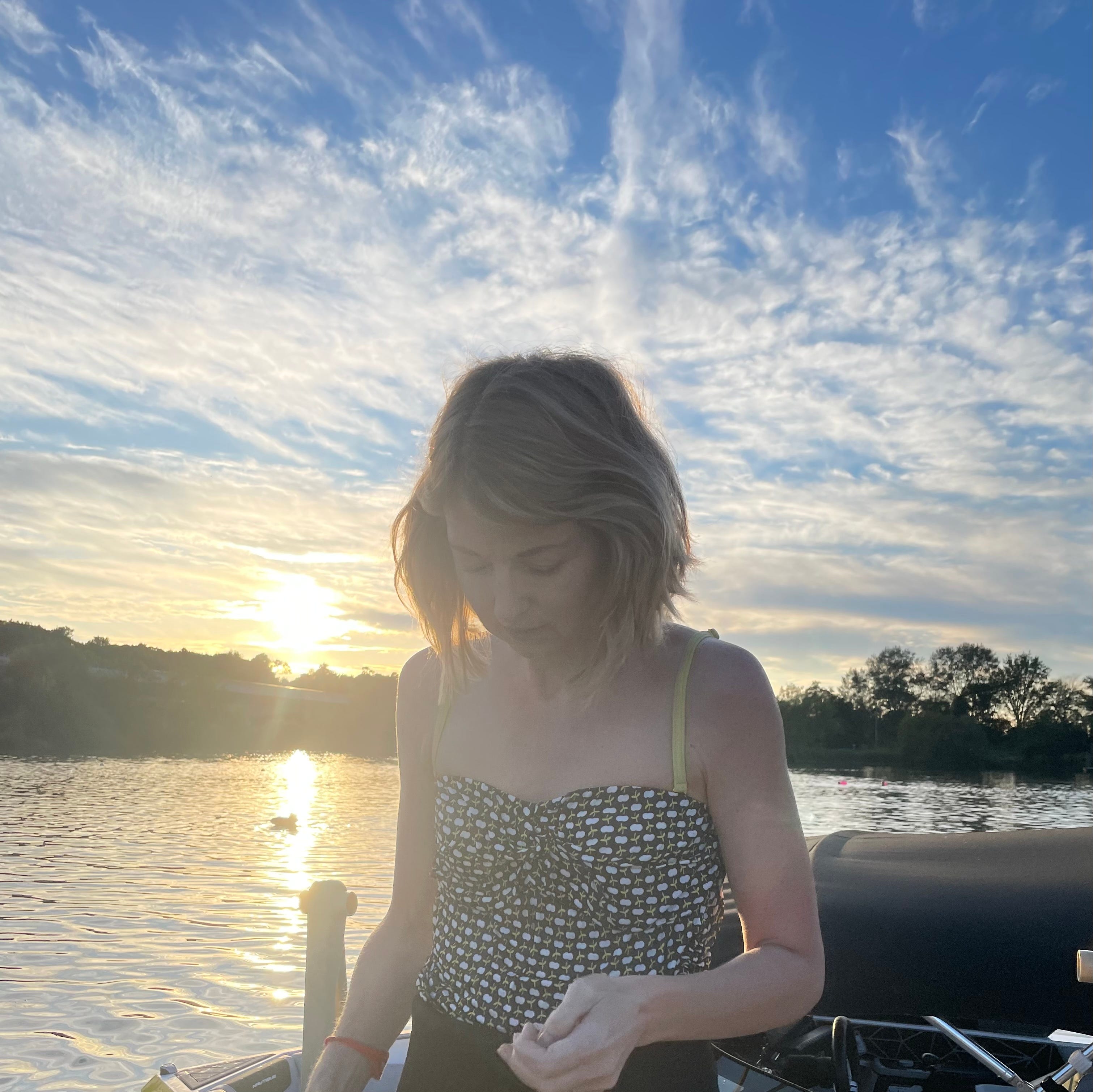
The high afterwards is the cleanest you'll ever feel. I feel like a shiny new pin – cleansed in body and mind. Not in a worthy or laboured way – I just feel lighter, rejuvenated, restored. I feel completely at one with myself. I just am - and that is enough.
Open water swimming to treat depression?
This kind of joyous clarity and calm may be part of why cold water swimming is being explored as a potential treatment for depression. One woman’s story offers a powerful example. A 24-year-old mother, who experienced anxiety, anger, low mood and self-harm through her teens, had found no relief from anti-depressants or talking therapy. Seven months after her daughter’s birth, she was determined to be well and free of medication - a side effect of which was feeling like she was in a “chemical fog”. She began weekly open water swims, supported at first by a doctor to help her feel safe in the cold.
The change was striking. Each swim gave her an immediate lift in mood. You can watch a clip here. Over time, her depression symptoms eased, and she gradually stopped taking medication. A year on, she remained symptom-free and off medication. She still swims whenever she can.
How and why does cold water swimming work?
Physiologically, it seems to support the body’s ability to handle stress. Regular cold exposure can reduce inflammation in the body, which is often elevated in people with depression. Cold water also releases feel-good brain chemicals like dopamine, serotonin and endorphins, which boost mood and energy. And if you’re brave enough to fully immerse your face in cold water, this stimulates the vagus nerve, which calms the body and reduces inflammation. This anti-inflammatory response is thought to explain the benefits of vagus nerve stimulation (VNS) for clinically diagnosed depression (patients in one study reported significant decrease in depressive symptoms when followed up 2 years later). Open water swimming could be a natural, cheaper alternative.
But the healing power of wild swimming goes beyond biology. Estés reminds us that the wild woman within us is intuitive, creative and instinctively wise. She is the part of us that knows when we need to scream, or sing, or simply float. When we enter the water, we silence the persecutory voices telling us to be small, nice, quiet. We find courage in the cold. We find our voice. We reconnect with the parts of ourselves that have been hidden or silenced - the ones that carry pain, doubt and deep longing. We reclaim our birthright to feel joy in our bodies, to move freely through the world, to truly belong to ourselves.
This is how I believe we begin to heal our wounds - by stepping into the wild, by listening deeply, by moving in ways that awaken something ancient and true. Activities like swimming, walking in nature, dancing, reading, resting, and connecting with other women all become acts of remembering. They are how we stitch ourselves back together.
And it’s in those rituals for remembering that we often find our pack - the women who hold us, howl and weep with us, see and celebrate every part of us. So for me wild swimming becomes more than purely a personal past-time – it’s become a channel to connection, to sisterhood, to the power of being fully alive. Estés says the wild woman’s journey is uniquely ours. This - the cold water, the stillness, the letting go - is mine. A way to live in rhythm with what I truly value. A path back to my own wild.
What helps you reconnect with your wild? Let’s share and celebrate our rituals together.
With love,
Caroline x
Enjoyed reading this? Do join the publication and community to receive more of my writing here:
And share with anyone who’d benefit from connecting with their wild:
Share with another mother who wants to step into their power:
For much more on connecting with our different parts and tapping into our values to become more empowered as a mother - and more connected with your child and partner - sign up to my self-paced course here.
This was just so beautiful to read Caroline - your writing is so inspiring- I was so immersed in your feelings that it was soothing to my nervous system even to be amongst your words - thank you ❤️